
Author

Radu Jude returns with Dracula, a chaotic and satirical exploration of Romania’s most famous legend. Moving far beyond traditional horror, this experimental film dissects national identity, capitalism, and political ghosts through a lens of “pop-up cinema.” Our Dracula Movie Review breaks down why this avant-garde spectacle is a must-watch for fans of subversive filmmaking.
Dracula Movie Review: Radu Jude’s Chaotic and Brilliant Satire on Romanian Capitalism
Radu Jude, the provocateur of Romanian cinema, has returned with his latest project, Dracula. Far from a standard Gothic horror, the Dracula Movie Review reveals a film that functions as a “knockabout cut-up satire,” utilizing the vampire mythos to critique modern society, failed investments, and the persistent shadows of fascism.
Plot Overview and Narrative Structure
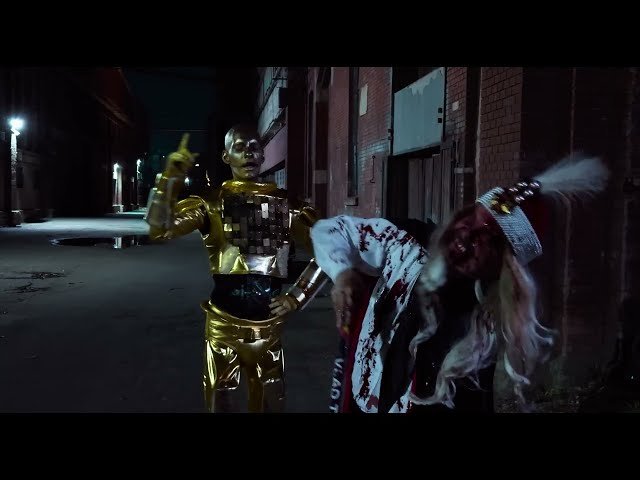
The narrative of Dracula is intentionally fragmented. It follows a smug, supercilious filmmaker (played by Adonis Tanta) as he demonstrates a low-budget film he is “concocting” on an iPad using garish AI tools. This meta-commentary is framed alongside a rackety troupe of actors performing a Dracula-themed floor show in a restaurant setting.
The “film-within-a-film” structure introduces various vignettes, including a standout segment set in the communist era involving a truck driver and a tragic, “Vlad-ish” impalement. These sequences serve to highlight the exploitation of the Dracula brand as Romania’s most reliable, yet often misused, export.
Main Cast and Character Portrayals
The Dracula cast performance is defined by a “make-do-and-mend” theatricality:
- Adonis Tanta: Captures the annoying confidence of a modern director obsessed with cheap digital shortcuts.
- Gabriel Spahiu: Delivers a poignant performance as a delusional veteran actor who once believed he truly embodied the Count.
- Oana Maria Zaharia: Appears as “Vampira,” a hyper-stylized representative of the undead who bridges the gap between the erotic and the absurd.
Direction and Technical Aspects
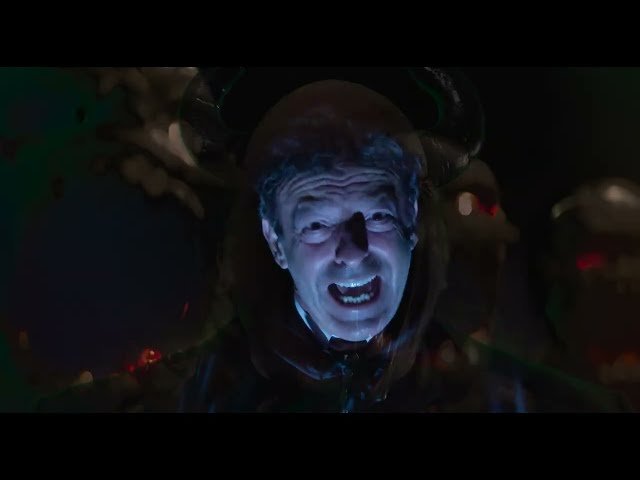
Director Radu Jude employs a style one might call “pop-up cinema.” The Dracula Web Series Review style (given its episodic vignettes) showcases Jude’s signature no-budget aesthetic, reminiscent of Brecht or Fassbinder.
- Cinematography: The film balances raw, improvised footage with “bad AI” visuals and amateurish theatrical setups.
- Satirical Depth: The film uses the vampire as a metaphor for Romania’s “undead” issues: clerical arrogance, antisemitism, and the exploitative service economy.
- Music & Sound: The auditory experience mirrors the chaotic visuals, jumping from restaurant chatter to the jarring sounds of digital experimentation.
Dracula Movie Review: The Verdict
While Dracula is an epic-length test of patience, it is redeemed by its biting social commentary. It lacks some of the tight focus found in Jude’s previous works like Do Not Expect Too Much from the End of the World, but it remains a startlingly insane and original piece of art. It is a pantomime of a nation’s history, focusing on the real-life trauma of the late-90s Dracula theme park investment scandal.
Final Rating: 3.5/5 Stars
Frequently Asked Questions (FAQs) on Dracula Movie Review
1. Is Radu Jude’s Dracula a horror movie?
No. While it uses the vampire theme, it is a satirical comedy and experimental drama focused on social and political commentary.
2. Who is the lead actor in the Dracula Movie?
The film features an ensemble cast including Adonis Tanta, Gabriel Spahiu, and Oana Maria Zaharia.
3. What is the central theme of the movie?
The film explores how the legend of Dracula is used as a commercial tool to mask deeper societal issues like corruption, fascism, and capitalism in Romania.
4. Where can I watch Radu Jude’s Dracula?
The film is scheduled for screenings at specialized venues, including the ICA in London starting April 10.
Disclaimer: The views expressed in this Dracula Movie Review are based on the cinematic analysis of Radu Jude’s work. Release dates and streaming availability may vary by region.